
Have you ever heard of a condition where people struggle to resist stealing? Probably not; however, studies estimate that about 0.3% to 0.6% of people experience a mental disorder known as kleptomania.
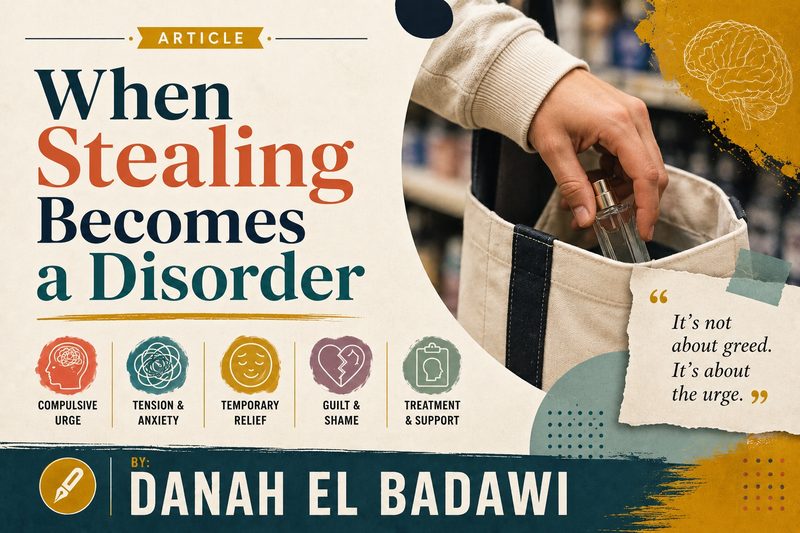
Kleptomania is not about greed or needing items. Instead, it is a compulsive disorder that drives people to take things they do not need and that usually have little value.
This cycle is similar to other compulsive behaviors, such as gambling. Because the actions are impulsive and often done secretly, many people feel guilt or shame, which can make seeking help and treatment very difficult.
The causes of kleptomania are not fully understood, but research suggests it may involve a mix of genetics, brain chemistry, and psychological factors.
People with kleptomania often experience imbalances in neurotransmitters like serotonin and dopamine, which can make it difficult to control impulses. Stress, anxiety, or other mental health conditions can also increase the likelihood of kleptomania.
Treatments usually include therapy, such as cognitive-behavioral therapy, which is a type of psychotherapy that focuses on changing negative thought patterns and behaviors to improve well-being. In some cases, medication may also be prescribed to help manage symptoms.
People with kleptomania deserve understanding, support, and proper treatment so they can manage their urges and live healthier lives.